
作者:大師輕鬆讀編譯小組
 收藏
收藏
定價:NT$ 120
優惠價: 64 折, NT$ 77
優惠截止日:至2026年09月30日


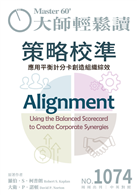
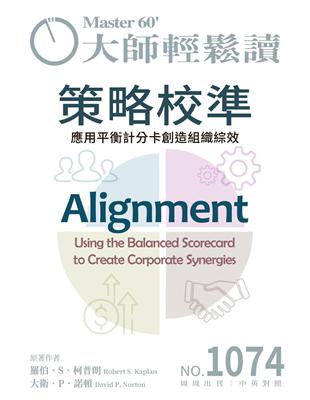
NO.1074 策略校準|中英對照
Alignment
應用平衡計分卡創造組織綜效
Using the Balanced Scorecard to Create Corporate Synergies
羅伯.S.柯普朗 Robert S. Kaplan、⼤衛.P.諾頓 David P. Norton
重點導讀 Main Idea
應用平衡計分卡創造組織綜效
Using the Balanced Scorecard to Create Corporate Synergies
企業必須不斷尋找方法,讓整體價值超越各部分的總合。若缺乏全面的策略校準,組織各部門將各自為政,朝不同方向發展。
Corporations must continually search for ways to make the whole more valuable than the sum of its parts. Without enterprise-wide alignment, the various parts of the organization will head off in different directions.
Stage 0 策略地圖與平衡計分卡
Strategy Maps and Balanced Scorecards
平衡計分卡從財務、顧客、內部流程與學習等4個面向,描述企業如何創造股東價值。策略地圖則整合平衡計分卡的4個面向,呈現其中所有相關的因果關係。
A Balanced Scorecard uses four perspectives – financial, customer, internal process and learning – to describe how a business aspires to create shareholder value. A Strategy Map takes the four perspectives of the Balanced Scorecard and shows all the relevant cause-and-effect relationships.
Stage 1 總部制定企業價值主張
Corporate headquarters specifies an enterprise value proposition
校準過程從企業總部闡明企業價值主張開始,這不僅能釐清企業的優先事項,也能為綜效的發展創造空間。企業層級的策略地圖和平衡計分卡,正是藉由校準創造綜效的基礎。
The alignment process starts when corporate headquarters articulates an enterprise value proposition. This will not only clarify what the corporate priorities are but will also serve to create space where synergies can be developed. An enterprise-level Strategy Map and Balanced Scorecard are the foundation for creating synergies through alignment.
Stage 2 營運單位各自發展獨特但一致的價值主張
Operating units develop their own unique yet consistent value propositions
有了企業層級的計分卡,各個事業單位就能制定自己的策略地圖與平衡計分卡,並與企業層級的對應內容保持一致。這樣一來,各單位既能整合資源,在當地市場積極競爭,同時也能為企業整體的綜效做出貢獻。
Armed with the enterprise scorecard, each business unit can then develop its own Strategy Map and Balanced Scorecard which will be consistent with the enterprise equivalents. Doing this allows each unit to bring together whatever is needed to be able to compete aggressively in their local markets whilst at the same time contributing to corporate-level synergies.
Stage 3 共同服務單位制定價值主張支持營運單位
Shared-services units develop their value propositions to support the operating units
接著是人力資源、資訊科技、財務、企畫等共同服務單位,制定策略地圖與平衡計分卡,支持事業單位與企業優先事項。這樣做可以將這些共同服務單位,從可有可無的費用中心,轉變為協助營運單位實現目標的策略夥伴。這種校準可以由上而下,也可以由下而上,取決於企業廣泛的偏好與能力。
Next, shared-services units – human resources, information technology, finance, planning, etc. – develop Strategy Maps and Balanced Scorecards which support the business units and enterprise priorities. Doing this transforms these shared-service units from being viewed as discretionary expense centers to become strategic partners who help the operating units achieve their goals and objectives. This alignment can be either top-down or bottom-up depending on a wide number of corporate preferences and capabilities.
Stage 4 與外部合作夥伴協作,尋求額外的綜效
Additional alignment synergies are sought by working with external partner
最後,當所有內部營運與服務單位校準一致後,企業便可進一步把握與外部合作夥伴(顧客、供應商、合資夥伴,甚至股東)之間可能出現的額外校準機會。透過將公司的策略地圖與平衡計分卡作為集中且一致的資訊資源,藉由更進深入的校準創造附加價值。各方將對合作目標達成共識,從而增進理解、提升信任,進而減少營運上的不一致與隨之而來的浪費,降低交易成本。
Finally, once all of the internal operating and services units are aligned, the enterprise can exploit any additional alignment opportunities which may arise through its relationships with external partners – customers, suppliers, joint venture partners and even shareholders. By making the company's Strategy Maps and Balanced Scorecard's act as a centralized and consistent information resource, added value can be created through better alignment. A consensus will emerge about the objectives of the alliance leading to better understanding and increased levels of trust. This, in turn, should lead to lowered transaction costs as there will be less operational misalignment and subsequent waste.
延伸閱讀 Extended Reading
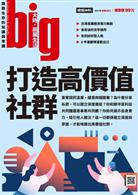
把力量集中在對的地方
Put Your Effort Where It Counts
企業的成長,很大程度取決於組織能否形成一致的方向與持續前進的動能。當團隊知道該往哪裡走,也知道什麼事情真正重要,整個組織就會開始產生推進力。
A company's growth depends largely on whether the organization can align around a shared direction and maintain forward momentum. When teams have a clear sense of where they are headed and what truly matters, the organization begins to generate real momentum.
電子書閱讀方式
您所購買的電子書,系統將自動儲存於「我的電子書櫃」,您可透過PC(Windows / Mac)、行動裝置(手機、平板),輕鬆閱讀。
 瀏覽器,→並以Chrome開啟我的電子書櫃後,點選『線上閱讀』,即可閱讀您已購買的電子書。建議使用 Chrome、Microsoft Edge有較佳的線上瀏覽效果。
 後,依照提示登入「會員中心」→「電子書管理」→「電子書APP通行碼/載具管理」,取得APP通行碼再登入APP,下載您所購買的電子書。完成下載後,點選任一書籍即可開始離線閱讀。 APP 適用版本:iOS 14.2 或以上版本,Android 6.0 以上版本。
注意事項:
使用讀冊生活電子書服務即為同意讀冊生活電子書服務條款。
下單後電子書可開啟閱讀的時間請參考:不同的付款方式,何時可開啟及閱讀電子書?
因版權保護,您在TAAZE所購買的電子書/雜誌僅能以TAAZE專屬的閱讀軟體開啟閱讀,無法以其他閱讀器或直接下載檔案。
退換貨說明:電子書、電子雜誌商品,恕不提供10天猶豫期退貨,若您對電子書閱讀有疑慮,建議您可於購買前先行試讀。並於訂購本商品前請務必詳閱電子書商品退換貨原則。
作者:大師輕鬆讀編譯小組
收藏
優惠價: 64 折, NT$ 77 NT$ 120
優惠截止日:至2026年09月30日
NO.1074 策略校準|中英對照
Alignment
應用平衡計分卡創造組織綜效
Using the Balanced Scorecard to Create Corporate Synergies
羅伯.S.柯普朗 Robert S. Kaplan、⼤衛.P.諾頓 David P. Norton
重點導讀 Main Idea
應用平衡計分卡創造組織綜效
Using the Balanced Scorecard to Create Corporate Synergies
企業必須不斷尋找方法,讓整體價值超越各部分的總合。若缺乏全面的策略校準,組織各部門將各自為政,朝不同方向發展。
Corporations must continually search for ways to make the whole more valuable than the sum of its parts. Without enterprise-wide alignment, the various parts of the organization will head off in different directions.
Stage 0 策略地圖與平衡計分卡
Strategy Maps and Balanced Scorecards
平衡計分卡從財務、顧客、內部流程與學習等4個面向,描述企業如何創造股東價值。策略地圖則整合平衡計分卡的4個面向,呈現其中所有相關的因果關係。
A Balanced Scorecard uses four perspectives – financial, customer, internal process and learning – to describe how a business aspires to create shareholder value. A Strategy Map takes the four perspectives of the Balanced Scorecard and shows all the relevant cause-and-effect relationships.
Stage 1 總部制定企業價值主張
Corporate headquarters specifies an enterprise value proposition
校準過程從企業總部闡明企業價值主張開始,這不僅能釐清企業的優先事項,也能為綜效的發展創造空間。企業層級的策略地圖和平衡計分卡,正是藉由校準創造綜效的基礎。
The alignment process starts when corporate headquarters articulates an enterprise value proposition. This will not only clarify what the corporate priorities are but will also serve to create space where synergies can be developed. An enterprise-level Strategy Map and Balanced Scorecard are the foundation for creating synergies through alignment.
Stage 2 營運單位各自發展獨特但一致的價值主張
Operating units develop their own unique yet consistent value propositions
有了企業層級的計分卡,各個事業單位就能制定自己的策略地圖與平衡計分卡,並與企業層級的對應內容保持一致。這樣一來,各單位既能整合資源,在當地市場積極競爭,同時也能為企業整體的綜效做出貢獻。
Armed with the enterprise scorecard, each business unit can then develop its own Strategy Map and Balanced Scorecard which will be consistent with the enterprise equivalents. Doing this allows each unit to bring together whatever is needed to be able to compete aggressively in their local markets whilst at the same time contributing to corporate-level synergies.
Stage 3 共同服務單位制定價值主張支持營運單位
Shared-services units develop their value propositions to support the operating units
接著是人力資源、資訊科技、財務、企畫等共同服務單位,制定策略地圖與平衡計分卡,支持事業單位與企業優先事項。這樣做可以將這些共同服務單位,從可有可無的費用中心,轉變為協助營運單位實現目標的策略夥伴。這種校準可以由上而下,也可以由下而上,取決於企業廣泛的偏好與能力。
Next, shared-services units – human resources, information technology, finance, planning, etc. – develop Strategy Maps and Balanced Scorecards which support the business units and enterprise priorities. Doing this transforms these shared-service units from being viewed as discretionary expense centers to become strategic partners who help the operating units achieve their goals and objectives. This alignment can be either top-down or bottom-up depending on a wide number of corporate preferences and capabilities.
Stage 4 與外部合作夥伴協作,尋求額外的綜效
Additional alignment synergies are sought by working with external partner
最後,當所有內部營運與服務單位校準一致後,企業便可進一步把握與外部合作夥伴(顧客、供應商、合資夥伴,甚至股東)之間可能出現的額外校準機會。透過將公司的策略地圖與平衡計分卡作為集中且一致的資訊資源,藉由更進深入的校準創造附加價值。各方將對合作目標達成共識,從而增進理解、提升信任,進而減少營運上的不一致與隨之而來的浪費,降低交易成本。
Finally, once all of the internal operating and services units are aligned, the enterprise can exploit any additional alignment opportunities which may arise through its relationships with external partners – customers, suppliers, joint venture partners and even shareholders. By making the company's Strategy Maps and Balanced Scorecard's act as a centralized and consistent information resource, added value can be created through better alignment. A consensus will emerge about the objectives of the alliance leading to better understanding and increased levels of trust. This, in turn, should lead to lowered transaction costs as there will be less operational misalignment and subsequent waste.
延伸閱讀 Extended Reading
把力量集中在對的地方
Put Your Effort Where It Counts
企業的成長,很大程度取決於組織能否形成一致的方向與持續前進的動能。當團隊知道該往哪裡走,也知道什麼事情真正重要,整個組織就會開始產生推進力。
A company's growth depends largely on whether the organization can align around a shared direction and maintain forward momentum. When teams have a clear sense of where they are headed and what truly matters, the organization begins to generate real momentum.
電子書閱讀方式
您所購買的電子書,系統將自動儲存於「我的電子書櫃」,您可透過PC(Windows / Mac)、行動裝置(手機、平板),輕鬆閱讀。
瀏覽器,→並以Chrome開啟我的電子書櫃後,點選『線上閱讀』,即可閱讀您已購買的電子書。建議使用 Chrome、Microsoft Edge有較佳的線上瀏覽效果。後,依照提示登入「會員中心」→「電子書管理」→「電子書APP通行碼/載具管理」,取得APP通行碼再登入APP,下載您所購買的電子書。完成下載後,點選任一書籍即可開始離線閱讀。 APP 適用版本:iOS 14.2 或以上版本,Android 6.0 以上版本。注意事項:
使用讀冊生活電子書服務即為同意讀冊生活電子書服務條款。
下單後電子書可開啟閱讀的時間請參考:不同的付款方式,何時可開啟及閱讀電子書?
因版權保護,您在TAAZE所購買的電子書/雜誌僅能以TAAZE專屬的閱讀軟體開啟閱讀,無法以其他閱讀器或直接下載檔案。
退換貨說明:電子書、電子雜誌商品,恕不提供10天猶豫期退貨,若您對電子書閱讀有疑慮,建議您可於購買前先行試讀。並於訂購本商品前請務必詳閱電子書商品退換貨原則。
※ 二手徵求後,有綁定line通知的讀者,
該二手書結帳減2元。(減2元可累加)

請在手機上開啟Line應用程式,點選搜尋欄位旁的掃描圖示
即可掃描此ORcode




 2026專利防護中
|
||||||||||||||||||
|
||||||||||||||||||
|
||||||||||||||||||