 收藏
收藏

 1二手徵求有驚喜
定價:NT$ 350
優惠價: 84 折, NT$ 294
限量商品已售完



AN INSTANT NEW YORK TIMES BESTSELLER!!
Named a Best Book of 2019 by TIME, Amazon, and The Washington Post
A Wired Must-Read Book of Summer
“Gretchen McCulloch is the internet’s favorite linguist, and this book is essential reading. Reading her work is like suddenly being able to see the matrix.” —Jonny Sun, author of everyone's a aliebn when ur a aliebn too
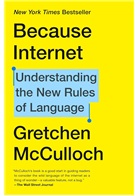
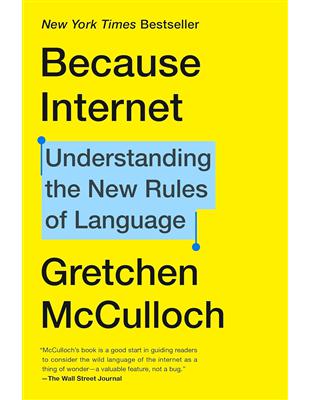
Because Internet is for anyone who's ever puzzled over how to punctuate a text message or wondered where memes come from. It's the perfect book for understanding how the internet is changing the English language, why that's a good thing, and what our online interactions reveal about who we are.
Language is humanity's most spectacular open-source project, and the internet is making our language change faster and in more interesting ways than ever before. Internet conversations are structured by the shape of our apps and platforms, from the grammar of status updates to the protocols of comments and @replies. Linguistically inventive online communities spread new slang and jargon with dizzying speed. What's more, social media is a vast laboratory of unedited, unfiltered words where we can watch language evolve in real time.
Even the most absurd-looking slang has genuine patterns behind it. Internet linguist Gretchen McCulloch explores the deep forces that shape human language and influence the way we communicate with one another. She explains how your first social internet experience influences whether you prefer "LOL" or "lol," why ~sparkly tildes~ succeeded where centuries of proposals for irony punctuation had failed, what emoji have in common with physical gestures, and how the artfully disarrayed language of animal memes like lolcats and doggo made them more likely to spread.
作者簡介:
Gretchen McCulloch writes about linguistics for a general audience, especially internet language. She writes the Resident Linguist column at Wired (and formerly at The Toast). McCulloch has a master’s in linguistics from McGill University, runs the blog All Things Linguistic, and cohosts Lingthusiasm, a podcast that’s enthusiastic about linguistics. She lives in Montreal, but also on the internet.
退換貨說明:
會員均享有10天的商品猶豫期(含例假日)。若您欲辦理退換貨,請於取得該商品10日內寄回。
辦理退換貨時,請保持商品全新狀態與完整包裝(商品本身、贈品、贈票、附件、內外包裝、保證書、隨貨文件等)一併寄回。若退回商品無法回復原狀者,可能影響退換貨權利之行使或須負擔部分費用。
訂購本商品前請務必詳閱退換貨原則。收藏
1二手徵求有驚喜
優惠價: 84 折, NT$ 294 NT$ 350
限量商品已售完
AN INSTANT NEW YORK TIMES BESTSELLER!!
Named a Best Book of 2019 by TIME, Amazon, and The Washington Post
A Wired Must-Read Book of Summer
“Gretchen McCulloch is the internet’s favorite linguist, and this book is essential reading. Reading her work is like suddenly being able to see the matrix.” —Jonny Sun, author of everyone's a aliebn when ur a aliebn too
Because Internet is for anyone who's ever puzzled over how to punctuate a text message or wondered where memes come from. It's the perfect book for understanding how the internet is changing the English language, why that's a good thing, and what our online interactions reveal about who we are.
Language is humanity's most spectacular open-source project, and the internet is making our language change faster and in more interesting ways than ever before. Internet conversations are structured by the shape of our apps and platforms, from the grammar of status updates to the protocols of comments and @replies. Linguistically inventive online communities spread new slang and jargon with dizzying speed. What's more, social media is a vast laboratory of unedited, unfiltered words where we can watch language evolve in real time.
Even the most absurd-looking slang has genuine patterns behind it. Internet linguist Gretchen McCulloch explores the deep forces that shape human language and influence the way we communicate with one another. She explains how your first social internet experience influences whether you prefer "LOL" or "lol," why ~sparkly tildes~ succeeded where centuries of proposals for irony punctuation had failed, what emoji have in common with physical gestures, and how the artfully disarrayed language of animal memes like lolcats and doggo made them more likely to spread.
作者簡介:
Gretchen McCulloch writes about linguistics for a general audience, especially internet language. She writes the Resident Linguist column at Wired (and formerly at The Toast). McCulloch has a master’s in linguistics from McGill University, runs the blog All Things Linguistic, and cohosts Lingthusiasm, a podcast that’s enthusiastic about linguistics. She lives in Montreal, but also on the internet.
退換貨說明:
會員均享有10天的商品猶豫期(含例假日)。若您欲辦理退換貨,請於取得該商品10日內寄回。
辦理退換貨時,請保持商品全新狀態與完整包裝(商品本身、贈品、贈票、附件、內外包裝、保證書、隨貨文件等)一併寄回。若退回商品無法回復原狀者,可能影響退換貨權利之行使或須負擔部分費用。
訂購本商品前請務必詳閱退換貨原則。
※ 二手徵求後,有綁定line通知的讀者,
該二手書結帳減2元。(減2元可累加)
請在手機上開啟Line應用程式,點選搜尋欄位旁的掃描圖示
即可掃描此ORcode



 2026專利防護中
|
||||||||||||||||||
|
||||||||||||||||||
|
||||||||||||||||||